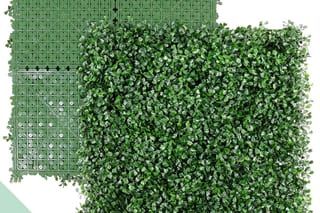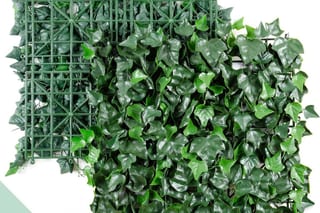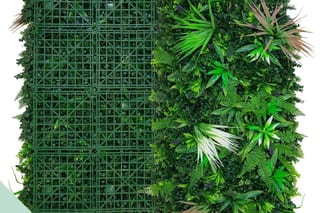

The patio problem
Most outdoor dining sits next to a road, a parking lot or another business. A freestanding hedge draws the line: guests get a green wall at eye level, the sidewalk stays open, and nothing is bolted to the ground. That last part matters when the lease, the fire marshal or the city says nothing permanent.
What operators ask
- How tall? Four feet screens seated guests from passing traffic; five to six feet screens standing guests and the view from a parking lot. The hedge height is the foliage; the planter adds a few inches.
- Will it blow over? The planters are made to be filled. Sand or gravel in the base keeps a hedge upright in wind; on a rooftop, ballast the planter and keep the hedge below railing height.
- Can we move them? Yes, that is the point. Two people slide a filled planter; an empty one moves alone. Event companies keep a set on a trailer.
- Do they need care? A rinse with a hose. No water, no trimming, no replacement plants in August.
Where they end up
Sidewalk cafes, hotel pool decks, brewery beer gardens, wedding venues, trade-show booths and the dividers between a valet stand and the front door. Because the hedges are identical, a row reads as one wall rather than six planters.
Ordering for a business
Trade buyers can apply to the wholesale program for volume pricing, and the freestanding hedge pages list the sizes we stock. For a layout with a mix of hedges and planter bases, send us the patio dimensions and a photo.